
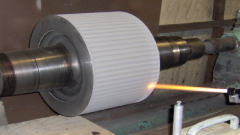
WEAR RESISTANT COATINGS
PROTECT AGAINST ABRASION, EROSION, CORROSION, FRETTING/GALLING, CAVITATION, BRINELLING.
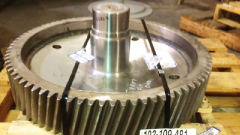
REPAIR COATINGS
NO NEED TO SCRAP AN EXPENSIVE PART. REPAIR OR BUILD UP TO A SPECIFIED SIZE. EXTEND PART LIFE.
RELEASE COATINGS
FEATURING DURA-SLIK™ FLUOROPOLYMER COMBINED WITH THERMAL SPRAYED COATING PROVIDES WEAR RESISTANCE ALONG WITH RELEASE PROPERTIES.
THERMAL BARRIER PROTECTION COATINGS
RESISTS TEMPERATURES UP TO 3000° F. ALLOWS THE USE OF LESS EXPENSIVE SUBSTRATE.
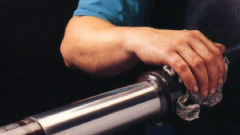
LOW COEFFICIENTOF FRICTION COATINGS
COATED COMPONENTS HAVE THE ABILITY TO PERFORM AT HIGHER SPEEDS.
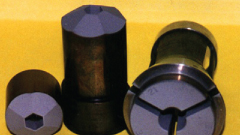
SURFACE TRACTION COATINGS
Long lasting surface finishes that prevent slippage, interruptions & breaks. Improves web tracking and tension control.
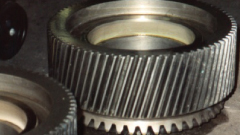
BRUSH PLATING
Repair or rebuild to a specified size, tolerance and surface finish. Plate an entire surface or target a small localized area.
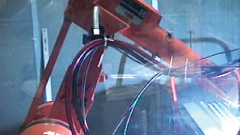
GENERAL CAPABILITIES
Services, coating features, part size capability.
Brush Plating: A Precision Metal Repair Solution for Industrial Equipment
Industrial equipment is expected to perform under demanding conditions where wear, corrosion, and dimensional damage are inevitable. Replacing expensive components is often unnecessary when advanced metal restoration techniques can extend their service life. Among these techniques, brush plating has become one of the most effective methods for restoring critical surfaces without the need for complete disassembly or extensive machining.
What Is Brush Plating?
Brush plating, also known as selective plating or selective electroplating, is a portable electrochemical metal deposition process used to repair, restore, or enhance localized areas on metallic components. Unlike conventional tank electroplating, brush plating deposits metal only where it is needed, making it an ideal solution for precision repairs and dimensional restoration.
The process uses a handheld plating tool wrapped with an absorbent material saturated in a specially formulated electrolyte solution. As direct current passes between the plating tool (anode) and the workpiece (cathode), metal ions are deposited onto the component’s surface in a controlled manner.
Because the process targets specific areas, brush plating offers exceptional precision while eliminating the need to immerse the entire part in a plating tank.
How the Brush Plating Process Works
Successful brush plating requires careful preparation and process control to ensure proper adhesion, deposit integrity, and long-term performance.
A typical brush plating procedure includes:
- Detailed inspection and dimensional evaluation
- Surface cleaning and degreasing
- Mechanical preparation to remove oxidation and contaminants
- Surface activation
- Application of bonding or strike layers when required
- Controlled deposition of the selected plating metal
- Thickness verification
- Final finishing, polishing, or machining to specification
Proper current density, electrolyte chemistry, solution flow, and operator technique are all critical variables that influence deposit quality.
Common Metals Used in Brush Plating
The choice of plating material depends on the operating environment, wear conditions, corrosion exposure, and engineering requirements.
Common brush plating metals include:
- Nickel
- Copper
- Cobalt
- Zinc
- Tin
- Silver
- Gold
- Cadmium replacement systems
- Specialty alloy deposits
Each metal offers unique performance characteristics, including wear resistance, corrosion protection, electrical conductivity, lubricity, or dimensional restoration.
Industrial Applications of Brush Plating
Brush plating is widely used across industries where precision repairs reduce maintenance costs and prevent unnecessary equipment replacement.
Typical applications include:
Shaft and Journal Restoration
Bearing journals, pump shafts, motor shafts, and gearbox shafts often experience wear that affects equipment alignment and performance. Brush plating restores original dimensions with minimal material removal.
Bearing Fits
Loose bearing seats can be rebuilt to precise tolerances, allowing components to be returned to service without replacing the entire shaft or housing.
Seal Surfaces
Hydraulic cylinders, compressor shafts, and rotating equipment frequently develop scoring or corrosion on seal surfaces. Brush plating restores smooth sealing surfaces that improve equipment reliability.
Corrosion Repair
Localized corrosion on critical components can be repaired without replacing expensive machinery or removing large assemblies from service.
Machining Error Correction
Undersized machined features can be brought back within tolerance through selective metal deposition, reducing scrap and manufacturing costs.
Electrical Contact Restoration
Silver, gold, or copper brush plating restores electrical conductivity on switchgear, connectors, bus bars, and electrical contact surfaces.
Advantages of Brush Plating
Brush plating offers several technical and economic advantages over traditional repair methods.
Minimal Downtime
Because brush plating equipment is portable, repairs can often be performed on-site without transporting equipment to a repair facility.
Localized Repairs
Only damaged areas receive metal deposition, preserving surrounding surfaces and reducing unnecessary processing.
Dimensional Precision
Metal thickness can be precisely controlled to restore engineering tolerances without excessive machining.
Reduced Replacement Costs
High-value components such as shafts, bearing housings, molds, turbine components, and heavy industrial equipment can often be restored rather than replaced.
Reduced Heat Input
Unlike welding or thermal repair processes, brush plating introduces virtually no heat into the workpiece, eliminating concerns about distortion or changes to the base metal’s metallurgical properties.
Portable Process
The equipment can be transported directly to industrial sites, making brush plating especially valuable during scheduled maintenance outages or emergency repairs.
Brush Plating vs. Conventional Electroplating
Although both processes rely on electrochemical deposition, they serve different purposes.
| Brush Plating | Conventional Electroplating |
| Portable equipment | Large plating tanks |
| Repairs localized areas | Coats the entire component |
| Ideal for field repairs | Typically performed in a plating facility |
| Minimal masking required | Extensive masking often required |
| Fast turnaround | Longer processing times |
| Lower setup costs for repairs | Better suited for production quantities |
For maintenance and repair operations, brush plating frequently provides the most practical and cost-effective solution.
Brush Plating vs. Thermal Spray Coatings
Brush plating and thermal spray coatings each serve distinct engineering purposes.
Brush plating is best suited for:
- Precision dimensional restoration
- Conductive coatings
- Corrosion repair
- Thin metallic deposits
- Localized repairs
Thermal spray coatings are preferred for:
- Thick wear-resistant coatings
- Large surface areas
- High-temperature applications
- Abrasion and erosion resistance
- Surface engineering for severe service environments
Many industrial repair strategies combine both technologies depending on the component’s operating conditions and performance requirements.
Industries That Benefit from Brush Plating
Brush plating supports maintenance and reliability programs across a wide range of industries, including:
- Manufacturing
- Mining
- Oil and gas
- Power generation
- Marine
- Pulp and paper
- Aerospace
- Food processing
- Chemical processing
- Heavy equipment
- Steel production
- Transportation
In each of these sectors, extending equipment life while minimizing downtime directly contributes to lower operating costs and improved asset reliability.
Why Experience Matters
Brush plating is a highly specialized repair process that depends on proper surface preparation, accurate process control, and extensive technical expertise. Selecting the appropriate plating material, current density, electrolyte chemistry, and deposition sequence can significantly influence coating performance and service life.
For complex industrial repairs, partnering with an experienced service provider helps ensure repairs meet dimensional requirements, maintain adhesion, and perform reliably under real-world operating conditions.
Partner with Metallic Bonds, Ltd.
For more than three decades, Metallic Bonds, Ltd. has delivered precision surface engineering solutions that help industrial facilities restore worn components, improve equipment performance, and reduce maintenance costs. With expertise in Brush Plating, Thermal Spray Coating Services, and Machine Component Repair, our team provides dependable repair solutions tailored to the demands of heavy industry.
Whether you’re restoring shaft journals, rebuilding bearing fits, repairing seal surfaces, or protecting critical equipment from wear and corrosion, Metallic Bonds, Ltd. has the technical knowledge and proven experience to help keep your operations running efficiently.