
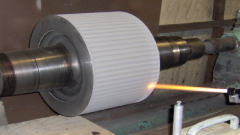
WEAR RESISTANT COATINGS
PROTECT AGAINST ABRASION, EROSION, CORROSION, FRETTING/GALLING, CAVITATION, BRINELLING.
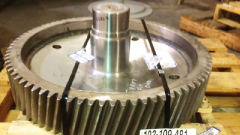
REPAIR COATINGS
NO NEED TO SCRAP AN EXPENSIVE PART. REPAIR OR BUILD UP TO A SPECIFIED SIZE. EXTEND PART LIFE.
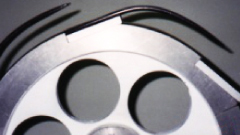
RELEASE COATINGS
FEATURING DURA-SLIK™ FLUOROPOLYMER COMBINED WITH THERMAL SPRAYED COATING PROVIDES WEAR RESISTANCE ALONG WITH RELEASE PROPERTIES.
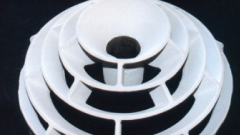
THERMAL BARRIER PROTECTION COATINGS
RESISTS TEMPERATURES UP TO 3000° F. ALLOWS THE USE OF LESS EXPENSIVE SUBSTRATE.
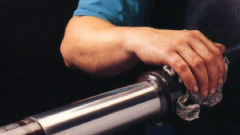
LOW COEFFICIENTOF FRICTION COATINGS
COATED COMPONENTS HAVE THE ABILITY TO PERFORM AT HIGHER SPEEDS.
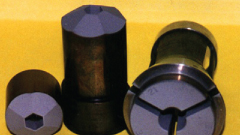
SURFACE TRACTION COATINGS
Long lasting surface finishes that prevent slippage, interruptions & breaks. Improves web tracking and tension control.
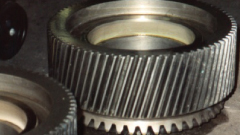
BRUSH PLATING
Repair or rebuild to a specified size, tolerance and surface finish. Plate an entire surface or target a small localized area.
GENERAL CAPABILITIES
Services, coating features, part size capability.
Industrial Coatings Contractors: Protecting Critical Equipment with Advanced Surface Engineering
Why Choosing the Right Industrial Coatings Contractor Matters
Industrial equipment operates in some of the harshest environments imaginable. Constant exposure to abrasion, corrosion, erosion, impact, elevated temperatures, chemicals, and friction gradually degrades components, resulting in reduced efficiency, unexpected downtime, and costly replacements.
This is why selecting experienced industrial coatings contractors is a critical investment rather than simply another maintenance expense. A qualified contractor understands not only coating application techniques but also metallurgy, surface preparation, material compatibility, and wear mechanisms that directly affect equipment performance and longevity.
What Do Industrial Coatings Contractors Do?
Industrial coatings contractors specialize in protecting, restoring, and enhancing metal surfaces through engineered coating solutions. Unlike conventional paint systems, industrial coatings are designed to provide functional performance improvements including:
- Wear resistance
- Corrosion protection
- Erosion resistance
- Heat resistance
- Chemical resistance
- Electrical insulation or conductivity
- Dimensional restoration
- Reduced friction
- Increased hardness
Rather than replacing expensive components, many industrial parts can be rebuilt and coated to meet or exceed original specifications, significantly reducing maintenance costs.
Common Challenges Industrial Coatings Solve
Manufacturing and processing equipment is subjected to continuous mechanical and environmental stress.
Common failure mechanisms include:
Abrasive Wear
Particles continuously remove material from component surfaces.
Common examples include:
- Pump housings
- Conveyor systems
- Chutes
- Mixing equipment
- Screw conveyors
Hard ceramic and carbide coatings dramatically increase wear life.
Corrosion
Moisture, saltwater, chemicals, and aggressive process fluids attack metal surfaces.
Industries affected include:
- Chemical processing
- Food processing
- Marine
- Power generation
- Oil & gas
Protective coatings create a barrier that resists oxidation and chemical attack.
Erosion
High-velocity fluids and suspended particles gradually remove surface material.
Frequently affected equipment includes:
- Fans
- Compressors
- Turbine components
- Pump impellers
- Valves
Thermal spray coatings provide exceptional erosion resistance.
Fretting and Galling
Repeated metal-to-metal contact causes adhesive wear and material transfer.
Common applications include:
- Bearings
- Shafts
- Splines
- Couplings
- Hydraulic cylinders
Engineered surface finishes reduce friction while increasing durability.
Advanced Industrial Coating Technologies
Experienced industrial coatings contractors utilize multiple technologies depending on application requirements.
Thermal Spray Coatings
Thermal spray processes propel molten or semi-molten materials toward prepared surfaces where they rapidly solidify into dense protective coatings.
Popular thermal spray methods include:
- HVOF (High Velocity Oxygen Fuel)
- Plasma Spray
- Arc Spray
- Flame Spray
Benefits include:
- Minimal heat distortion
- Thick wear-resistant coatings
- Excellent bond strength
- Wide material selection
- Fast turnaround
Thermal spray coatings are widely used to restore dimensions while improving wear resistance.
HVOF Coatings
High Velocity Oxygen Fuel spraying produces exceptionally dense coatings with very low porosity.
Typical coating materials include:
- Tungsten carbide
- Chromium carbide
- Cobalt alloys
- Nickel alloys
HVOF coatings offer:
- Superior abrasion resistance
- High bond strength
- Low oxide content
- Outstanding fatigue resistance
- Excellent corrosion protection
These coatings are often selected as alternatives to hard chrome plating for demanding industrial applications.
Ceramic Coatings
Ceramic thermal spray coatings provide:
- Thermal insulation
- Electrical insulation
- Oxidation resistance
- High hardness
- Exceptional wear resistance
Industries utilizing ceramic coatings include:
- Aerospace
- Power generation
- Steel production
- Manufacturing
- Petrochemical processing
Brush Plating
Brush plating is a localized electroplating process used to repair worn or damaged surfaces without completely disassembling equipment.
Advantages include:
- Portable repairs
- Reduced downtime
- Precision dimensional restoration
- Selective plating
- Minimal masking requirements
Brush plating is commonly used on:
- Bearing journals
- Seal surfaces
- Shafts
- Hydraulic rods
- Machine ways
Industries That Depend on Industrial Coatings Contractors
Virtually every industrial sector benefits from engineered coating solutions.
Common industries include:
Manufacturing
Production equipment experiences continuous wear from friction, impact, and abrasive materials.
Protective coatings help maximize uptime while extending maintenance intervals.
Mining
Mining equipment faces severe abrasion and impact.
Wear-resistant carbide coatings significantly improve service life.
Oil & Gas
Pumps, valves, drilling equipment, and pipelines require coatings capable of resisting corrosion, erosion, and aggressive chemicals.
Power Generation
Steam turbines, gas turbines, pumps, and boiler components require coatings that withstand elevated temperatures and erosion.
Pulp & Paper
Rolls, shafts, and processing equipment benefit from corrosion-resistant coatings that withstand moisture and chemical exposure.
Food Processing
Specialized coatings improve corrosion resistance while minimizing contamination risks and simplifying maintenance.
Key Considerations When Selecting Industrial Coatings Contractors
Not all coating providers offer the same level of technical expertise.
When evaluating contractors, consider:
Surface Engineering Experience
Successful coating performance depends heavily on understanding substrate materials, operating conditions, and failure mechanisms.
Experienced contractors recommend coating systems based on engineering requirements rather than a one-size-fits-all approach.
Surface Preparation Capabilities
Proper surface preparation is essential for coating adhesion.
Professional contractors utilize:
- Precision grit blasting
- Surface roughness control
- Cleaning and degreasing
- Dimensional inspection
Surface preparation often determines long-term coating performance.
Material Selection Expertise
Different operating environments require different coating materials.
Factors include:
- Operating temperature
- Corrosive exposure
- Abrasion severity
- Impact loading
- Friction requirements
- Component geometry
Proper material selection maximizes service life while minimizing maintenance costs.
Quality Control
Reliable industrial coatings contractors employ rigorous inspection procedures, including:
- Coating thickness measurement
- Bond strength verification
- Hardness testing
- Surface finish evaluation
- Dimensional inspection
- Visual quality assessment
These quality measures help ensure consistent coating performance in demanding industrial applications.
Why Manufacturers Choose Metallic Bonds, Ltd.
For over 30 years, Metallic Bonds, Ltd. has partnered with manufacturers, processing facilities, and industrial operations to restore and protect mission-critical equipment.
Our expertise includes:
- Thermal spray coating services
- High-performance wear-resistant coatings
- Brush plating
- Machine component repair
- Dimensional restoration
- Corrosion-resistant surface engineering
- Precision component refurbishment
Rather than replacing costly machinery components, our engineered coating solutions restore performance, extend service life, and help reduce overall maintenance expenses while minimizing production downtime.
Whether repairing worn shafts, rebuilding bearing journals, protecting pump components, or applying advanced thermal spray coatings to high-value equipment, Metallic Bonds, Ltd. delivers reliable solutions tailored to demanding industrial applications.
Partner with Experienced Industrial Coatings Contractors
Equipment reliability begins with proper surface protection. Working with knowledgeable industrial coatings contractors ensures that every coating system is selected and applied based on your equipment’s operating environment, wear conditions, and performance requirements.
With more than three decades of expertise, Metallic Bonds, Ltd. provides advanced thermal spray coating services, brush plating, and precision machine component repairs that help manufacturers improve equipment reliability, reduce downtime, and maximize the return on critical industrial assets.
When your operation depends on durable, high-performance surface engineering solutions, Metallic Bonds, Ltd. has the technical knowledge and proven experience to keep your equipment operating at its best.