
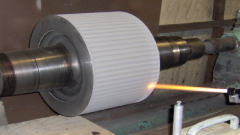
WEAR RESISTANT COATINGS
PROTECT AGAINST ABRASION, EROSION, CORROSION, FRETTING/GALLING, CAVITATION, BRINELLING.
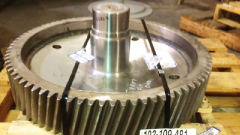
REPAIR COATINGS
NO NEED TO SCRAP AN EXPENSIVE PART. REPAIR OR BUILD UP TO A SPECIFIED SIZE. EXTEND PART LIFE.
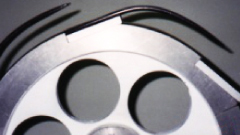
RELEASE COATINGS
FEATURING DURA-SLIK™ FLUOROPOLYMER COMBINED WITH THERMAL SPRAYED COATING PROVIDES WEAR RESISTANCE ALONG WITH RELEASE PROPERTIES.
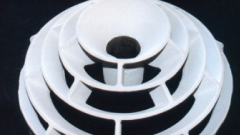
THERMAL BARRIER PROTECTION COATINGS
RESISTS TEMPERATURES UP TO 3000° F. ALLOWS THE USE OF LESS EXPENSIVE SUBSTRATE.
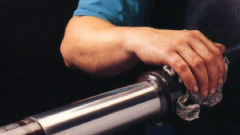
LOW COEFFICIENTOF FRICTION COATINGS
COATED COMPONENTS HAVE THE ABILITY TO PERFORM AT HIGHER SPEEDS.
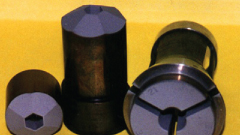
SURFACE TRACTION COATINGS
Long lasting surface finishes that prevent slippage, interruptions & breaks. Improves web tracking and tension control.
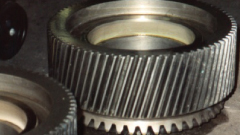
BRUSH PLATING
Repair or rebuild to a specified size, tolerance and surface finish. Plate an entire surface or target a small localized area.
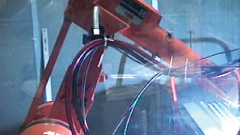
GENERAL CAPABILITIES
Services, coating features, part size capability.
Thermal Spray Coating: Enhancing Industrial Components with Advanced Surface Engineering
Thermal Spray Coating for Improved Wear, Corrosion, and Heat Resistance
Industrial equipment operates in increasingly demanding environments where abrasion, corrosion, erosion, oxidation, and elevated temperatures can significantly reduce component life. Rather than replacing costly machinery, manufacturers often rely on thermal spray coating to restore worn surfaces, improve performance, and extend service life.
Thermal spray coating is one of the most versatile surface engineering technologies available today. Used across industries such as aerospace, power generation, oil and gas, mining, steel processing, manufacturing, and paper production, thermal spray coatings deliver engineered surface properties while preserving the integrity of the underlying substrate.
What Is Thermal Spray Coating?
Thermal spray coating is a manufacturing and repair process in which metallic, ceramic, carbide, or composite materials are heated and accelerated toward a prepared surface. Upon impact, these molten or semi-molten particles rapidly solidify to form a dense protective coating.
Unlike welding or fusion-based processes, thermal spray coating generally causes minimal heat input to the base material. This makes it ideal for restoring dimensional tolerances or enhancing surface properties without significantly affecting the metallurgical characteristics of the component.
Depending on application requirements, coatings may provide:
- Superior wear resistance
- Corrosion protection
- Erosion resistance
- Thermal insulation
- Oxidation resistance
- Electrical insulation or conductivity
- Improved friction characteristics
- Dimensional restoration
These engineered surface properties allow existing equipment to outperform untreated components in challenging operating environments.
How the Thermal Spray Coating Process Works
Although specific methods vary, most thermal spray coating processes follow similar steps.
- Surface Preparation
Proper adhesion begins with thorough surface preparation. Components are cleaned to remove contaminants before abrasive blasting creates a controlled surface profile that promotes strong mechanical bonding.
- Material Selection
Coating materials are selected based on operating conditions, including:
- Operating temperature
- Corrosive exposure
- Sliding or abrasive wear
- Impact loading
- Chemical compatibility
- Required hardness
- Surface finish
- Coating Application
Using specialized equipment, coating materials are heated and propelled toward the component at extremely high velocities.
The deposited particles flatten into thin layers known as “splats,” gradually building the desired coating thickness.
- Finishing Operations
Depending on the application, coated parts may undergo:
- Precision grinding
- Superfinishing
- Machining
- Polishing
- Final inspection
These finishing processes ensure dimensional accuracy and proper surface characteristics.
Common Thermal Spray Coating Processes
Several thermal spray technologies are available, each designed for specific applications.
HVOF (High Velocity Oxygen Fuel)
HVOF uses combustion gases to accelerate powder particles at supersonic velocities.
Benefits include:
- Extremely dense coatings
- High bond strength
- Low porosity
- Excellent wear resistance
- Outstanding carbide retention
Typical applications include:
- Hydraulic rods
- Pump shafts
- Roll journals
- Industrial rollers
- Valve components
Plasma Spray
Plasma spray utilizes an electrically generated plasma arc capable of melting high-temperature materials that cannot be processed using conventional flame spraying.
Advantages include:
- Ceramic coating capability
- High operating temperatures
- Excellent thermal barrier performance
- Wide material compatibility
Industries commonly use plasma spray for:
- Turbine components
- Aerospace hardware
- Semiconductor manufacturing
- Medical implants
Flame Spray
Flame spraying remains a cost-effective option for many industrial repair applications.
It is commonly used when:
- Moderate wear resistance is required
- Large surface areas require coating
- Budget considerations are important
- Dimensional restoration is needed
Arc Spray
Arc spray melts electrically conductive wire materials using an electric arc before compressed air atomizes and propels the molten droplets.
Benefits include:
- High deposition rates
- Efficient coating of large components
- Excellent corrosion-resistant coatings
- Cost-effective production
Materials Used in Thermal Spray Coating
Material selection determines coating performance.
Common coating materials include:
Tungsten Carbide
Known for exceptional hardness and abrasion resistance, tungsten carbide coatings are widely used for severe wear applications.
Chromium Carbide
Ideal for elevated-temperature wear environments where oxidation resistance is important.
Nickel-Based Alloys
Nickel alloys provide outstanding corrosion resistance and high-temperature performance in chemical processing and energy applications.
Cobalt-Based Alloys
These coatings maintain hardness under high temperatures and resist galling and corrosion.
Stainless Steel
Used where corrosion protection and dimensional restoration are primary objectives.
Ceramic Coatings
Ceramics provide:
- Thermal insulation
- Electrical insulation
- Oxidation resistance
- High-temperature stability
Advantages of Thermal Spray Coating
Thermal spray coating offers numerous engineering advantages over component replacement.
Extended Equipment Life
Protective coatings significantly reduce wear, allowing critical machinery to remain in service much longer.
Lower Maintenance Costs
Replacing only the worn surface instead of the entire component helps reduce maintenance expenses.
Minimal Heat Distortion
Since the substrate experiences relatively low thermal exposure, thermal spray coating minimizes distortion compared to welding or hardfacing.
Improved Performance
Engineered coatings optimize surface properties to match demanding operating conditions.
Sustainable Manufacturing
Repairing components instead of replacing them conserves materials, reduces waste, and lowers lifecycle costs.
Industries That Depend on Thermal Spray Coating
Thermal spray coating serves a wide range of industries.
These include:
- Aerospace
- Power generation
- Oil and gas
- Mining
- Steel manufacturing
- Pulp and paper
- Food processing
- Marine
- Automotive
- Heavy equipment manufacturing
Each industry relies on specialized coating systems to improve equipment reliability and operational efficiency.
Applications of Thermal Spray Coating
Thermal spray coating is commonly applied to:
- Pump shafts
- Bearing journals
- Hydraulic cylinders
- Turbine shafts
- Rollers
- Compressor components
- Printing rolls
- Paper mill rolls
- Engine components
- Wear sleeves
- Sealing surfaces
- Industrial valves
These coatings restore dimensions while significantly improving resistance to future wear.
Why Quality Matters in Thermal Spray Coating
Successful thermal spray coating depends on much more than spraying material onto a surface.
Coating performance relies on:
- Proper surface preparation
- Correct material selection
- Controlled spray parameters
- Experienced technicians
- Accurate quality inspection
- Precision finishing
Small variations in these factors can dramatically affect coating adhesion, density, hardness, and overall service life. Working with an experienced coating provider ensures that repaired or protected components meet demanding operational requirements.
Why Choose Metallic Bonds, Ltd.?
For over 30 years, Metallic Bonds, Ltd. has built a reputation for delivering dependable surface engineering solutions for industrial customers. The company combines decades of hands-on expertise with proven thermal spray technologies to restore worn components, improve equipment performance, and extend service life.
In addition to thermal spray coating, Metallic Bonds, Ltd. provides professional brush plating and machine component repair services, offering comprehensive solutions for industries seeking to reduce downtime and maximize the value of critical equipment.
Whether protecting new components from harsh operating conditions or restoring valuable machinery to specification, Metallic Bonds, Ltd. is committed to delivering quality workmanship, reliable service, and long-lasting performance.