
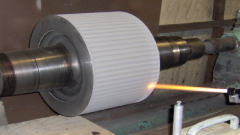
WEAR RESISTANT COATINGS
PROTECT AGAINST ABRASION, EROSION, CORROSION, FRETTING/GALLING, CAVITATION, BRINELLING.
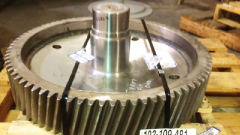
REPAIR COATINGS
NO NEED TO SCRAP AN EXPENSIVE PART. REPAIR OR BUILD UP TO A SPECIFIED SIZE. EXTEND PART LIFE.
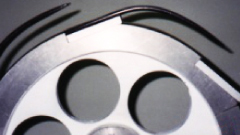
RELEASE COATINGS
FEATURING DURA-SLIK™ FLUOROPOLYMER COMBINED WITH THERMAL SPRAYED COATING PROVIDES WEAR RESISTANCE ALONG WITH RELEASE PROPERTIES.
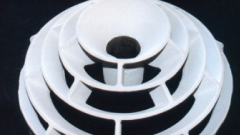
THERMAL BARRIER PROTECTION COATINGS
RESISTS TEMPERATURES UP TO 3000° F. ALLOWS THE USE OF LESS EXPENSIVE SUBSTRATE.
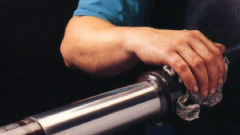
LOW COEFFICIENTOF FRICTION COATINGS
COATED COMPONENTS HAVE THE ABILITY TO PERFORM AT HIGHER SPEEDS.
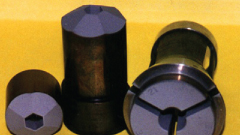
SURFACE TRACTION COATINGS
Long lasting surface finishes that prevent slippage, interruptions & breaks. Improves web tracking and tension control.
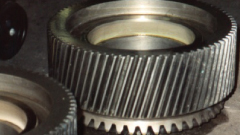
BRUSH PLATING
Repair or rebuild to a specified size, tolerance and surface finish. Plate an entire surface or target a small localized area.
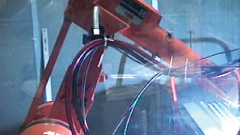
GENERAL CAPABILITIES
Services, coating features, part size capability.
Wear-Resistant Coatings: Extend Equipment Life and Reduce Industrial Downtime
Wear-Resistant Coatings: The Key to Longer Equipment Life
Industrial equipment is constantly exposed to harsh operating conditions. Abrasion, erosion, friction, impact, and corrosion gradually wear away critical components, resulting in reduced efficiency, costly repairs, and unplanned downtime. Fortunately, wear-resistant coatings provide an effective solution by creating a durable protective layer that significantly extends the life of machine components.
Industries including mining, oil and gas, power generation, manufacturing, aerospace, and agriculture rely on advanced coating technologies to protect high-value equipment. Rather than replacing worn parts, companies can restore and enhance components using specialized coating processes that improve durability while lowering long-term operating costs.
For more than 30 years, Metallic Bonds, Ltd. has delivered high-quality thermal spray coating services, brush plating, and machine component repairs that help customers maximize equipment reliability and performance.
What Are Wear-Resistant Coatings?
Wear-resistant coatings are engineered surface treatments designed to minimize material loss caused by mechanical wear. These coatings are applied to metal components to create a harder, more durable surface capable of withstanding demanding industrial environments.
Unlike conventional paint or protective finishes, industrial wear-resistant coatings are specifically formulated to resist:
- Abrasive wear
- Adhesive wear
- Sliding friction
- Surface fatigue
- Particle erosion
- Impact damage
- Corrosive attack
Depending on the application, coatings may consist of ceramics, carbides, metals, alloys, or composite materials selected for their hardness, toughness, and environmental resistance.
Common Types of Industrial Wear
Understanding the type of wear affecting equipment is essential when selecting the appropriate coating.
Abrasive Wear
Occurs when hard particles scrape or grind against a surface. Common in mining equipment, conveyors, pumps, and processing machinery.
Erosive Wear
Results from high-speed particles or fluids impacting a surface, gradually removing material. Frequently seen in turbines, valves, and piping systems.
Adhesive Wear
Develops when two metal surfaces slide together under pressure, causing microscopic material transfer.
Corrosive Wear
A combination of chemical attack and mechanical wear that accelerates material degradation in aggressive environments.
Fretting Wear
Occurs when vibrating components experience repeated micro-movements, leading to surface damage and premature failure.
How Wear-Resistant Coatings Work
Rather than changing the base material, wear-resistant coatings improve the surface characteristics of a component.
Benefits include:
- Increased surface hardness
- Lower coefficient of friction
- Improved erosion resistance
- Enhanced corrosion protection
- Better heat resistance
- Greater dimensional stability
- Extended maintenance intervals
These improvements help industrial equipment maintain performance even under continuous mechanical stress.
Popular Wear-Resistant Coating Materials
Several coating materials are commonly selected based on application requirements.
Tungsten Carbide
Tungsten carbide coatings offer exceptional hardness and abrasion resistance, making them ideal for shafts, rolls, pump sleeves, and hydraulic components.
Advantages
- Outstanding wear resistance
- Excellent impact strength
- Long service life
- Reduced friction
- High load-bearing capability
Chromium Carbide
Chromium carbide performs exceptionally well in elevated temperatures where oxidation resistance is critical.
Typical applications include:
- Boilers
- Exhaust systems
- Industrial rollers
- Furnace components
Ceramic Coatings
Ceramic materials provide excellent resistance to heat, corrosion, and erosion while maintaining dimensional stability under extreme temperatures.
Applications include:
- Turbine components
- Aerospace parts
- Combustion equipment
- High-temperature processing systems
Nickel-Based Alloys
Nickel alloy coatings combine wear resistance with corrosion protection, making them suitable for chemical processing, marine, and offshore industries.
Thermal Spray Technology for Wear Protection
One of the most effective methods of applying wear-resistant coatings is thermal spray coating.
This process heats coating material and propels it onto a prepared surface where it forms a dense, strongly bonded protective layer.
Common thermal spray processes include:
- High Velocity Oxygen Fuel (HVOF)
- Plasma Spray
- Flame Spray
- Arc Spray
Each process offers unique advantages depending on coating material, required bond strength, operating temperature, and component geometry.
Benefits of Wear-Resistant Coatings
Industrial companies choose wear-resistant coatings because they deliver measurable operational improvements.
Longer Equipment Life
Protective coatings dramatically reduce surface wear, extending component service life by several times compared to untreated parts.
Reduced Downtime
Fewer equipment failures mean production schedules remain uninterrupted.
Lower Maintenance Costs
Repairing and recoating worn components is often significantly less expensive than manufacturing new replacement parts.
Improved Efficiency
Smooth, durable surfaces reduce friction, improving machine performance while minimizing energy losses.
Better Corrosion Protection
Many wear-resistant coatings provide dual protection against both mechanical wear and corrosive environments.
Sustainable Equipment Maintenance
Refurbishing existing components reduces material waste while lowering replacement costs.
Industries That Use Wear-Resistant Coatings
Wear-resistant coatings are widely used across industrial sectors.
Mining
Protects crushers, chutes, slurry pumps, and conveyor components from abrasive minerals.
Oil and Gas
Improves durability of valves, pump shafts, drilling tools, and hydraulic equipment.
Power Generation
Extends service life of turbines, boilers, and steam handling equipment.
Manufacturing
Reduces wear on rollers, molds, dies, shafts, and production machinery.
Agriculture
Protects harvesting equipment, tillage tools, and material handling systems from abrasive soil conditions.
Aerospace
Provides lightweight, high-performance surface protection for critical engine and structural components.
Choosing the Right Wear-Resistant Coating
Selecting the appropriate coating depends on several engineering considerations:
- Type of wear
- Operating temperature
- Corrosive exposure
- Impact loading
- Surface hardness requirements
- Component material
- Dimensional tolerances
- Expected service life
Working with an experienced coating specialist ensures the selected solution matches the equipment’s operating conditions.
Why Experience Matters
Successful coating performance depends not only on material selection but also on proper surface preparation, application technique, and quality control.
With over three decades of industry experience, Metallic Bonds, Ltd. provides comprehensive solutions including:
- Thermal spray coatings
- Precision brush plating
- Machine component restoration
- Industrial repair services
- Wear-resistant surface engineering
Their expertise helps manufacturers restore worn equipment, improve reliability, and maximize return on investment.
Frequently Asked Questions
What are wear-resistant coatings?
Wear-resistant coatings are specialized surface treatments that protect industrial components from abrasion, erosion, friction, impact, and corrosion, extending equipment life and improving performance.
Which industries benefit most from wear-resistant coatings?
Mining, oil and gas, manufacturing, aerospace, agriculture, chemical processing, and power generation all use wear-resistant coatings to reduce wear and maintenance costs.
Are thermal spray coatings suitable for repairing worn components?
Yes. Thermal spray coatings are commonly used to restore worn machinery by rebuilding surfaces with durable materials that often outperform the original component.
How long do wear-resistant coatings last?
Service life depends on the operating environment, coating material, and application method. Properly applied coatings can extend component life several times compared to uncoated surfaces.
Can wear-resistant coatings also resist corrosion?
Many advanced coatings provide both wear resistance and corrosion protection, making them ideal for harsh industrial environments where multiple degradation mechanisms occur.