
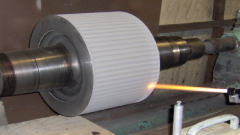
WEAR RESISTANT COATINGS
PROTECT AGAINST ABRASION, EROSION, CORROSION, FRETTING/GALLING, CAVITATION, BRINELLING.
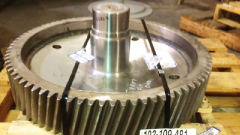
REPAIR COATINGS
NO NEED TO SCRAP AN EXPENSIVE PART. REPAIR OR BUILD UP TO A SPECIFIED SIZE. EXTEND PART LIFE.
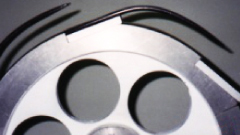
RELEASE COATINGS
FEATURING DURA-SLIK™ FLUOROPOLYMER COMBINED WITH THERMAL SPRAYED COATING PROVIDES WEAR RESISTANCE ALONG WITH RELEASE PROPERTIES.
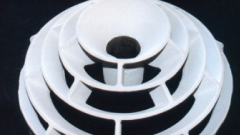
THERMAL BARRIER PROTECTION COATINGS
RESISTS TEMPERATURES UP TO 3000° F. ALLOWS THE USE OF LESS EXPENSIVE SUBSTRATE.
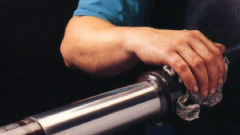
LOW COEFFICIENTOF FRICTION COATINGS
COATED COMPONENTS HAVE THE ABILITY TO PERFORM AT HIGHER SPEEDS.
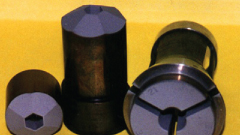
SURFACE TRACTION COATINGS
Long lasting surface finishes that prevent slippage, interruptions & breaks. Improves web tracking and tension control.
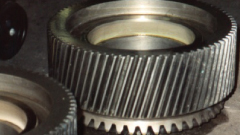
BRUSH PLATING
Repair or rebuild to a specified size, tolerance and surface finish. Plate an entire surface or target a small localized area.
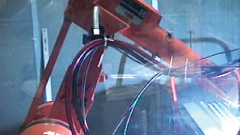
GENERAL CAPABILITIES
Services, coating features, part size capability.
Ceramic Coating Services for Industrial Equipment: Enhancing Performance, Wear Resistance, and Component Life
Industrial equipment operates in some of the harshest environments imaginable. Components are constantly exposed to abrasion, corrosion, erosion, high temperatures, and chemical attack, all of which contribute to premature wear and unexpected downtime. For manufacturers seeking a proven solution to improve durability and reduce maintenance costs, ceramic coating has become one of the most effective surface engineering technologies available.
What Is Ceramic Coating?
Ceramic coating is an advanced thermal spray coating process that applies a dense layer of ceramic material onto the surface of a metal component. Rather than changing the base material itself, ceramic coatings create a highly engineered protective barrier that significantly improves surface properties while preserving the structural integrity of the underlying substrate.
Depending on the application, ceramic coatings may be deposited using technologies such as:
- Plasma spray
- High Velocity Oxy-Fuel (HVOF)
- Flame spray
- Other specialized thermal spray processes
The selected process depends on the component’s operating conditions, coating material, required bond strength, surface finish, and performance expectations.
How Ceramic Thermal Spray Coatings Work
Ceramic coatings are produced by heating ceramic powders to extremely high temperatures before accelerating them toward a prepared substrate. Upon impact, the molten or semi-molten particles flatten, rapidly solidify, and build successive layers that form a durable protective coating.
Proper surface preparation is essential to coating performance. Components typically undergo:
- Precision cleaning
- Abrasive grit blasting
- Surface roughening for mechanical bonding
- Controlled coating application
- Post-coating finishing or grinding when required
The result is a coating engineered for demanding industrial service with excellent adhesion, consistent thickness, and predictable performance.
Common Ceramic Coating Materials
Several ceramic materials are selected based on application requirements and operating environments.
Aluminum Oxide (Alumina)
Aluminum oxide is widely used for its exceptional hardness, electrical insulation properties, and resistance to abrasive wear. It is commonly applied to:
- Pump shafts
- Guide rollers
- Textile machinery
- Electrical insulation components
- Wear sleeves
Chromium Oxide
Chromium oxide offers superior resistance to sliding wear, corrosion, and aggressive chemicals. It is frequently selected for:
- Hydraulic rods
- Mechanical seal surfaces
- Printing rolls
- Industrial valves
- Chemical processing equipment
Zirconia
Zirconia provides excellent thermal insulation and performs well under extreme temperatures. Typical applications include:
- Turbine components
- Combustion systems
- Aerospace parts
- High-temperature process equipment
Titanium Oxide
Titanium oxide coatings provide improved wear resistance while maintaining relatively low friction characteristics, making them suitable for specialized industrial applications.
Key Benefits of Industrial Ceramic Coatings
Exceptional Wear Resistance
Ceramic materials possess extremely high hardness, allowing coated components to resist abrasive wear significantly better than untreated metals. This translates to longer service intervals and reduced replacement frequency.
Superior Corrosion Protection
Many industrial environments expose equipment to moisture, chemicals, acids, alkalis, or salt solutions. Ceramic coatings create a protective barrier that helps shield base materials from corrosive attack.
High Temperature Performance
Unlike conventional paints or polymer coatings, ceramic coatings maintain stability at elevated temperatures. This makes them ideal for components operating in furnaces, turbines, boilers, and other heat-intensive applications.
Reduced Friction
Certain ceramic formulations produce smoother, harder surfaces that reduce friction between moving components. Lower friction contributes to:
- Reduced wear
- Improved efficiency
- Lower energy consumption
- Extended equipment life
Improved Chemical Resistance
Industries handling aggressive chemicals benefit from ceramic coatings that withstand exposure to many corrosive substances while minimizing substrate degradation.
Extended Equipment Life
Perhaps the greatest advantage of ceramic coating is its ability to dramatically extend component service life. Rather than replacing expensive machinery, companies can restore and protect existing equipment at a fraction of replacement costs.
Industrial Applications of Ceramic Coating
Ceramic thermal spray coatings serve a wide range of industries where reliability and equipment longevity are essential.
Manufacturing
Manufacturing facilities use ceramic coatings to protect machinery subjected to continuous production cycles, including:
- Rollers
- Shafts
- Bearing journals
- Wear plates
- Conveying equipment
Oil and Gas
Oilfield equipment frequently encounters abrasive particles, corrosive fluids, and high operating pressures. Ceramic coatings help protect:
- Pump components
- Valve assemblies
- Compressor parts
- Drilling equipment
- Flow control systems
Power Generation
Power plants utilize ceramic coatings to improve thermal resistance and reduce wear on:
- Turbine components
- Boiler equipment
- Heat exchangers
- Steam system components
Mining and Aggregate
Mining operations expose equipment to severe abrasion from rock, minerals, and slurry transport. Ceramic coatings improve durability for:
- Chutes
- Crusher components
- Conveyor systems
- Pump impellers
- Cyclone equipment
Pulp and Paper
Paper manufacturing relies on precision rollers and rotating equipment where surface wear directly affects product quality. Ceramic coatings provide consistent performance while minimizing downtime.
Food Processing
Certain ceramic coatings offer wear protection for processing equipment while meeting industry-specific operating requirements for cleanliness and durability.
Ceramic Coating vs. Hard Chrome Plating
Many industrial facilities compare ceramic coatings with hard chrome plating when selecting a wear-resistant surface treatment.
Ceramic coatings generally provide:
- Higher hardness
- Better abrasion resistance
- Improved thermal performance
- Greater chemical resistance
- Reduced environmental concerns compared to traditional chrome processes
While hard chrome remains suitable for certain applications, ceramic thermal spray coatings often deliver superior performance in severe industrial environments.
Ceramic Coating as Part of a Complete Component Repair Strategy
Ceramic coating is often integrated into a broader equipment restoration program. Before applying the protective coating, worn dimensions may be restored using brush plating or other precision repair methods. Once dimensional integrity is re-established, ceramic coatings provide the wear-resistant surface needed for long-term service.
This repair-first approach allows facilities to:
- Restore expensive components
- Reduce replacement costs
- Shorten lead times
- Improve equipment reliability
- Maximize return on maintenance investments
Why Choose Metallic Bonds, Ltd.?
Selecting the right thermal spray partner is critical to coating performance. Successful ceramic coating requires expertise in material selection, surface preparation, process control, and quality assurance.
For over three decades, Metallic Bonds, Ltd. has provided dependable industrial coating and repair solutions for customers across a wide range of industries. Their experience in thermal spray coating services, ceramic coating, brush plating, and machine component repair enables them to recommend the most effective solution based on each customer’s operating conditions and equipment requirements.
Whether restoring worn machinery or protecting new components against future wear, Metallic Bonds focuses on delivering durable, high-performance surface engineering solutions that improve equipment reliability and extend component life.
Extend Equipment Life with Professional Ceramic Coating Services
When industrial equipment is exposed to continuous wear, corrosion, and extreme operating conditions, investing in professional ceramic coating services can significantly improve performance while reducing long-term maintenance costs.
With more than 30 years of experience in thermal spray coating services, brush plating, and machine component repairs, Metallic Bonds, Ltd. helps manufacturers protect critical assets through proven surface engineering technologies. From restoring worn components to enhancing the durability of new equipment, ceramic coatings offer a reliable, cost-effective solution for maximizing productivity and extending the service life of industrial machinery.