
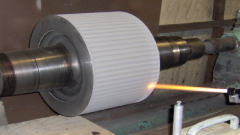
WEAR RESISTANT COATINGS
PROTECT AGAINST ABRASION, EROSION, CORROSION, FRETTING/GALLING, CAVITATION, BRINELLING.
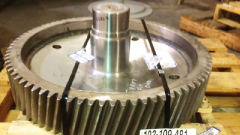
REPAIR COATINGS
NO NEED TO SCRAP AN EXPENSIVE PART. REPAIR OR BUILD UP TO A SPECIFIED SIZE. EXTEND PART LIFE.
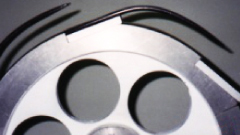
RELEASE COATINGS
FEATURING DURA-SLIK™ FLUOROPOLYMER COMBINED WITH THERMAL SPRAYED COATING PROVIDES WEAR RESISTANCE ALONG WITH RELEASE PROPERTIES.
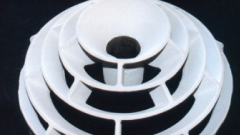
THERMAL BARRIER PROTECTION COATINGS
RESISTS TEMPERATURES UP TO 3000° F. ALLOWS THE USE OF LESS EXPENSIVE SUBSTRATE.
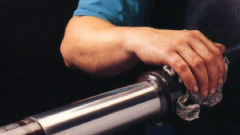
LOW COEFFICIENTOF FRICTION COATINGS
COATED COMPONENTS HAVE THE ABILITY TO PERFORM AT HIGHER SPEEDS.
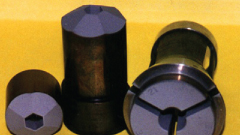
SURFACE TRACTION COATINGS
Long lasting surface finishes that prevent slippage, interruptions & breaks. Improves web tracking and tension control.
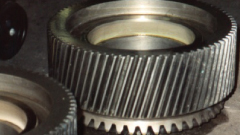
BRUSH PLATING
Repair or rebuild to a specified size, tolerance and surface finish. Plate an entire surface or target a small localized area.
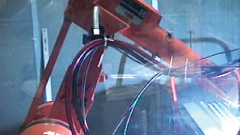
GENERAL CAPABILITIES
Services, coating features, part size capability.
Plasma Spray Coating: Advanced Surface Engineering for High-Performance Industrial Components
Plasma Spray Coating: High-Performance Protection for Critical Industrial Components
Industrial equipment operates under increasingly demanding conditions. Components are exposed to abrasive wear, elevated temperatures, corrosion, oxidation, and mechanical fatigue that shorten service life and increase maintenance costs. Rather than replacing expensive components, many manufacturers turn to plasma spray coating to restore, protect, and enhance performance.
As one of the most versatile thermal spray technologies available, plasma spray coating enables the application of advanced ceramic, metallic, cermet, and composite coatings that significantly improve surface properties while preserving the integrity of the base material.
What Is Plasma Spray Coating?
Plasma spray coating is a thermal spray process that uses a high-temperature plasma jet to melt powdered coating materials and accelerate them toward a prepared substrate. Upon impact, the molten particles flatten into thin lamellae—or “splats”—that rapidly solidify to form a dense, strongly bonded protective coating.
Unlike welding or hardfacing, plasma spraying deposits material without melting the substrate itself. This allows precision coating of heat-sensitive components while maintaining dimensional stability and minimizing metallurgical changes.
The plasma arc is typically generated using inert gases such as argon, hydrogen, helium, or nitrogen. Temperatures inside the plasma plume can exceed 15,000°C, making it possible to process materials with exceptionally high melting points.
How the Plasma Spray Process Works
The plasma spray coating process involves several carefully controlled stages that determine coating quality and performance.
1. Surface Preparation
Proper preparation is essential for achieving strong mechanical adhesion. Components are typically grit blasted to produce a controlled surface roughness that promotes coating anchorage.
Surface preparation may also include:
- Degreasing
- Cleaning contaminants
- Masking precision surfaces
- Dimensional inspection
2. Plasma Generation
A direct-current electric arc ionizes process gases to create a high-energy plasma stream.
This plasma provides both:
- Extremely high temperatures
- High particle acceleration velocities
Together, these conditions efficiently melt feedstock powders before deposition.
3. Powder Injection
Engineered powder materials are injected into the plasma jet where they become molten or semi-molten.
Common feedstock materials include:
- Aluminum oxide (Al₂O₃)
- Chromium oxide
- Zirconia
- Hydroxyapatite
- Tungsten carbide blends
- Nickel alloys
- Cobalt alloys
- Molybdenum
- Titanium
4. Coating Deposition
The molten particles impact the substrate at high velocity, flatten, cool almost instantly, and build successive layers until the required coating thickness is achieved.
Coating thickness can range from several thousandths of an inch to significantly thicker engineered layers depending on the application.
5. Finishing Operations
After spraying, components may undergo:
- Precision grinding
- Machining
- Polishing
- Superfinishing
- Dimensional inspection
- Non-destructive testing
These finishing processes ensure compliance with engineering tolerances and functional requirements.
Advantages of Plasma Spray Coating
Plasma spraying offers numerous engineering advantages over conventional surface treatments.
Superior Wear Resistance
Advanced ceramic coatings exhibit exceptional hardness that protects components from abrasive wear, erosion, and particle impingement.
Applications include:
- Pump sleeves
- Seal surfaces
- Rollers
- Shafts
- Valve components
High Temperature Performance
Ceramic plasma coatings remain stable under extreme operating temperatures where conventional coatings fail.
Industries benefit from:
- Thermal insulation
- Oxidation resistance
- Heat shielding
- Reduced thermal fatigue
Corrosion Protection
Properly selected metallic and ceramic coatings create protective barriers against aggressive chemicals, moisture, salt environments, and oxidation.
This significantly increases component longevity.
Minimal Heat Input
Since the substrate experiences relatively low heat exposure, plasma spraying minimizes:
- Distortion
- Residual stresses
- Heat-affected zones
- Metallurgical changes
This is especially valuable for precision-machined components.
Material Flexibility
Plasma spraying accommodates a broad range of coating materials that are difficult or impossible to apply using conventional methods.
This versatility allows engineers to optimize coatings for specific operating environments.
Component Restoration
Instead of replacing worn equipment, damaged surfaces can often be rebuilt using engineered coatings followed by precision machining to restore original dimensions.
This substantially reduces replacement costs.
Common Plasma Spray Coating Materials
Selecting the proper coating material depends on the operating environment and desired performance characteristics.
Ceramic Coatings
Ceramic coatings are ideal for:
- Wear resistance
- Electrical insulation
- Thermal barriers
- Corrosion protection
Common ceramics include:
- Aluminum oxide
- Chromium oxide
- Zirconia
- Titanium oxide
Metallic Coatings
Metallic coatings provide:
- Corrosion resistance
- Oxidation resistance
- Conductivity
- Dimensional restoration
Common metals include:
- Nickel
- Aluminum
- Copper
- Molybdenum
Cermet Coatings
Cermets combine ceramic hardness with metallic toughness.
Popular materials include:
- Tungsten carbide
- Chromium carbide
- Nickel-chromium blends
- Cobalt-based systems
These coatings are widely used in severe wear applications.
Industrial Applications of Plasma Spray Coating
Plasma spraying serves virtually every major industrial sector.
Aerospace
Aircraft and turbine components require coatings capable of surviving extreme temperatures and oxidation.
Applications include:
- Turbine blades
- Combustion chambers
- Exhaust components
- Landing gear
Power Generation
Power plants rely on plasma coatings to improve component durability under continuous thermal cycling.
Typical components include:
- Boiler tubes
- Steam turbine parts
- Gas turbines
- Heat exchangers
Oil and Gas
Harsh operating environments demand coatings that resist:
- Corrosion
- Sand erosion
- Chemical attack
- High temperatures
Applications include pumps, valves, drilling tools, and compressor components.
Manufacturing
Industrial production equipment experiences constant wear from repetitive operation.
Common coated components include:
- Rollers
- Shafts
- Hydraulic rods
- Bearing journals
- Dies
- Wear plates
Pulp and Paper
Paper mills frequently use plasma coatings to extend equipment life in abrasive and corrosive operating conditions.
Applications include:
- Dryer rolls
- Guide rolls
- Pump shafts
- Seal surfaces
Medical Industry
Biocompatible plasma coatings such as hydroxyapatite enhance orthopedic implants by promoting bone integration and improving long-term implant stability.
Plasma Spray vs. Other Thermal Spray Processes
Although plasma spray coating belongs to the thermal spray family, each process offers unique advantages.
| Process | Best For | Typical Materials |
| Plasma Spray | Ceramics, thermal barriers, precision coatings | Ceramics, metals, cermets |
| HVOF | Dense wear-resistant carbide coatings | Tungsten carbide, chromium carbide |
| Arc Spray | Large-scale corrosion protection | Zinc, aluminum, steel |
| Flame Spray | Economical restoration coatings | Metals, ceramics |
Selecting the right process depends on operating temperature, wear conditions, corrosion exposure, coating thickness, and engineering requirements.
Why Quality Matters in Plasma Spray Coating
Successful plasma spray coating depends on far more than simply applying material to a surface. Consistent coating performance requires precise control over every stage of the process, including:
- Surface preparation
- Powder selection
- Plasma parameters
- Spray distance
- Coating thickness
- Bond strength
- Final finishing
- Inspection and quality assurance
Experienced thermal spray specialists understand how these variables interact to produce coatings that meet demanding industrial specifications.
Why Choose Metallic Bonds, Ltd.?
For more than three decades, Metallic Bonds, Ltd. has helped industrial manufacturers restore worn components and improve equipment performance through advanced thermal spray technologies.
The company’s capabilities include:
- Plasma spray coating
- HVOF coatings
- Flame spray coatings
- Arc spray coatings
- Brush plating
- Machine component repair
- Precision finishing and machining
- Custom surface engineering solutions
Whether restoring critical machinery or applying engineered coatings to new components, Metallic Bonds, Ltd. delivers dependable solutions designed to reduce downtime, lower maintenance costs, and maximize equipment life.
Extend Equipment Life with Expert Plasma Spray Coating
Plasma spray coating is one of the most effective surface engineering technologies available for improving wear resistance, corrosion protection, thermal performance, and overall component durability. Its ability to apply advanced ceramic, metallic, and composite coatings without significantly affecting the substrate makes it an ideal solution for demanding industrial environments.
With more than 30 years of experience in thermal spray coating services and machine component repair, Metallic Bonds, Ltd. provides the technical expertise and proven processes manufacturers trust to protect critical assets, restore damaged components, and improve operational reliability.
Whether your goal is extending service life, enhancing performance, or reducing replacement costs, professional plasma spray coating can deliver long-term value across a wide range of industrial applications.