
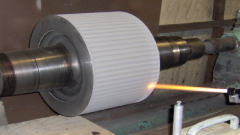
WEAR RESISTANT COATINGS
PROTECT AGAINST ABRASION, EROSION, CORROSION, FRETTING/GALLING, CAVITATION, BRINELLING.
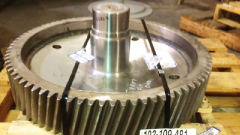
REPAIR COATINGS
NO NEED TO SCRAP AN EXPENSIVE PART. REPAIR OR BUILD UP TO A SPECIFIED SIZE. EXTEND PART LIFE.
RELEASE COATINGS
FEATURING DURA-SLIK™ FLUOROPOLYMER COMBINED WITH THERMAL SPRAYED COATING PROVIDES WEAR RESISTANCE ALONG WITH RELEASE PROPERTIES.
THERMAL BARRIER PROTECTION COATINGS
RESISTS TEMPERATURES UP TO 3000° F. ALLOWS THE USE OF LESS EXPENSIVE SUBSTRATE.
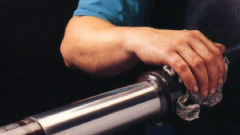
LOW COEFFICIENTOF FRICTION COATINGS
COATED COMPONENTS HAVE THE ABILITY TO PERFORM AT HIGHER SPEEDS.
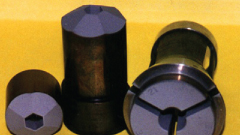
SURFACE TRACTION COATINGS
Long lasting surface finishes that prevent slippage, interruptions & breaks. Improves web tracking and tension control.
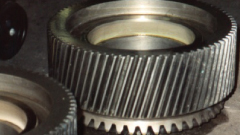
BRUSH PLATING
Repair or rebuild to a specified size, tolerance and surface finish. Plate an entire surface or target a small localized area.
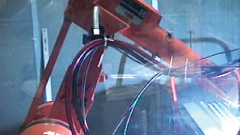
GENERAL CAPABILITIES
Services, coating features, part size capability.
Thermal Barrier Coating: Protecting Critical Components from Extreme Heat
Thermal Barrier Coating: The Key to High-Temperature Performance
Industrial equipment operating under extreme temperatures requires more than durable base materials. Continuous exposure to heat, thermal cycling, oxidation, and corrosion can rapidly degrade components, resulting in costly repairs and unexpected downtime. A thermal barrier coating (TBC) provides an advanced engineering solution by creating an insulating ceramic layer that protects metal substrates from excessive heat.
What Is a Thermal Barrier Coating?
A thermal barrier coating is a specialized ceramic coating system applied to metal components using advanced thermal spray processes. Its primary function is to reduce the amount of heat transferred into the underlying substrate, allowing components to operate at higher temperatures without compromising structural integrity.
Most thermal barrier coating systems consist of two primary layers:
- Bond Coat: A metallic layer that promotes adhesion while providing oxidation and corrosion resistance.
- Ceramic Top Coat: A low thermal conductivity ceramic layer that acts as an insulating barrier against extreme temperatures.
Together, these layers significantly reduce thermal stress while improving component durability.
How Thermal Barrier Coatings Work
Unlike conventional protective coatings, thermal barrier coatings are specifically engineered to minimize heat transfer. Their porous ceramic microstructure traps air pockets, lowering thermal conductivity and providing exceptional insulation.
When exposed to elevated temperatures, the coating:
- Reduces heat reaching the base material
- Minimizes thermal fatigue
- Improves oxidation resistance
- Increases resistance to thermal shock
- Extends overall service life
These advantages allow industrial systems to operate more efficiently under severe conditions.
Common Thermal Barrier Coating Materials
Material selection depends on operating temperature, environmental exposure, and performance requirements.
Yttria-Stabilized Zirconia (YSZ)
The industry standard for thermal barrier coatings, YSZ offers:
- Excellent thermal insulation
- Low thermal conductivity
- High fracture toughness
- Superior thermal cycling performance
YSZ is widely used in gas turbines, aerospace engines, and industrial combustion equipment.
Zirconia-Based Ceramics
Various stabilized zirconia formulations provide exceptional high-temperature resistance while maintaining coating durability in aggressive operating environments.
Advanced Ceramic Composites
Emerging ceramic materials continue to improve thermal performance, oxidation resistance, and service life for next-generation industrial equipment.
Thermal Spray Processes Used for Thermal Barrier Coatings
Proper application is just as important as material selection. Thermal barrier coatings are typically applied using advanced thermal spray technologies.
Plasma Spray
Atmospheric plasma spray (APS) remains one of the most common methods for applying ceramic thermal barrier coatings. The process melts ceramic powder using a high-temperature plasma jet before depositing it onto prepared surfaces.
Advantages include:
- Excellent coating thickness control
- High deposition efficiency
- Suitable for complex geometries
- Proven industrial performance
HVOF Bond Coat Application
High Velocity Oxygen Fuel (HVOF) spraying is often used to apply the metallic bond coat beneath the ceramic layer. HVOF produces dense, tightly bonded coatings with excellent oxidation resistance.
Benefits of Thermal Barrier Coating
Organizations across numerous industries invest in thermal barrier coating because of its measurable operational advantages.
Improved Heat Resistance
Thermal barrier coatings reduce heat transfer, allowing components to withstand elevated operating temperatures while protecting the substrate.
Longer Equipment Life
Lower thermal stress minimizes cracking, distortion, and premature wear, extending component service intervals.
Increased Energy Efficiency
Higher operating temperatures often improve thermal efficiency while reducing fuel consumption in combustion systems.
Reduced Maintenance Costs
By protecting expensive components from heat-related degradation, organizations can reduce the frequency of replacements and maintenance expenses.
Enhanced Oxidation Protection
The bond coat helps prevent oxidation and corrosion that commonly occur during prolonged high-temperature exposure.
Industries That Benefit from Thermal Barrier Coatings
Thermal barrier coatings serve a wide range of industrial applications.
Aerospace
Aircraft engines operate under extremely high temperatures. Thermal barrier coatings protect turbine blades, combustion chambers, vanes, and exhaust components while improving engine efficiency.
Power Generation
Gas turbines and steam generation equipment rely on thermal barrier coatings to maximize operating efficiency and increase service life.
Oil and Gas
High-temperature valves, pumps, compressors, and processing equipment benefit from improved thermal protection and oxidation resistance.
Automotive
Performance engines and turbocharger components use thermal barrier coatings to manage heat, improve combustion efficiency, and enhance durability.
Manufacturing
Industrial furnaces, molds, dies, rollers, and process equipment experience reduced thermal degradation through properly engineered coating systems.
Factors to Consider When Selecting a Thermal Barrier Coating
Selecting the right coating requires evaluating several engineering factors, including:
- Maximum operating temperature
- Thermal cycling frequency
- Mechanical loading
- Corrosive operating environment
- Component geometry
- Required coating thickness
- Desired service life
An experienced thermal spray provider can recommend the optimal coating system based on application-specific performance requirements.
Why Surface Preparation Matters
The success of any thermal barrier coating begins with proper surface preparation. Abrasive blasting creates the surface profile necessary for mechanical adhesion, while careful cleaning removes contaminants that could compromise bond strength.
Proper preparation ensures:
- Strong coating adhesion
- Uniform thickness
- Improved durability
- Reduced coating failure risk
Why Choose Metallic Bonds, Ltd.?
For over three decades, Metallic Bonds, Ltd. has specialized in delivering precision-engineered thermal spray coating services for demanding industrial applications. Our experienced team combines proven coating technologies with rigorous quality standards to produce reliable, high-performance results.
Our capabilities include:
- Thermal barrier coating systems
- Plasma spray coatings
- HVOF coatings
- Wear-resistant coatings
- Corrosion-resistant coatings
- Brush plating
- Machine component repair
- Precision coating restoration services
Every project is approached with a focus on extending equipment life, reducing downtime, and helping customers maximize the return on their maintenance investment.
Partner with Experts in Thermal Barrier Coating
Extreme operating temperatures demand advanced surface engineering solutions. A professionally applied thermal barrier coating can significantly improve component performance, reduce maintenance costs, and extend equipment life across a wide range of industrial applications.
Whether you’re protecting turbine components, manufacturing equipment, or critical industrial machinery, Metallic Bonds, Ltd. has the experience, technical knowledge, and thermal spray expertise to deliver coating solutions tailored to your operational requirements. Contact our team today to learn how our thermal barrier coating services can help improve the reliability and performance of your equipment.